Western Cape Garden Guide: Transitioning from Wet Winter to Dry Summer
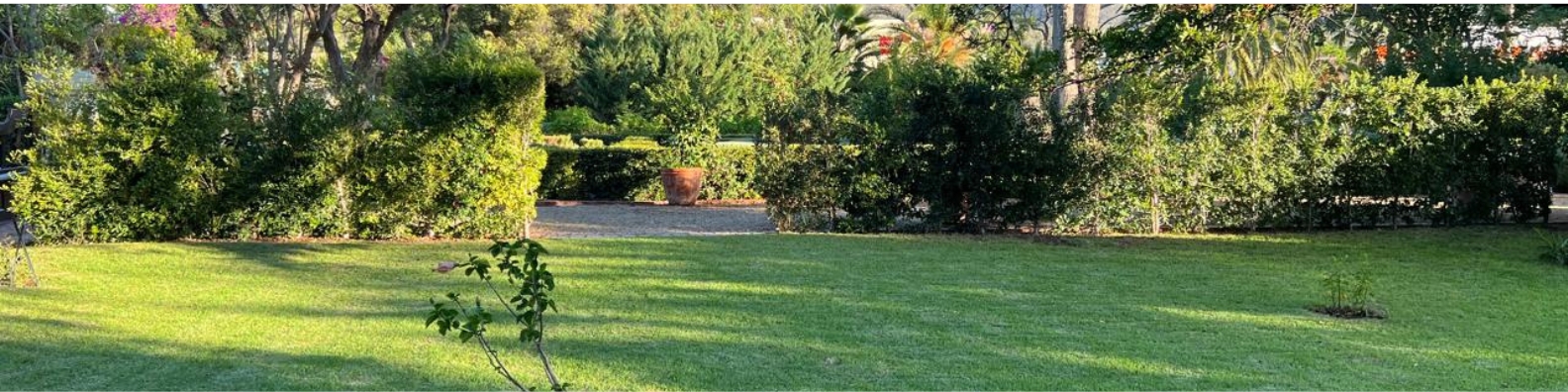
Spring in the Western Cape brings a unique set of gardening challenges. After months of wet winter weather, local gardens are lush but vulnerable as the dry, hot summer approaches. Now is the time to prepare your garden for this transition. In this guide, we’ll cover how to prevent fungal diseases after the rains, effective mulching to conserve moisture, and spring lawn and flower nutrition tips. We’ll also recommend a few of our Kynoch Garden fertilizer products to give your plants the boost they need. Let’s ensure your Western Cape garden not only survives but thrives from spring into summer.
Preventing Spring Fungal Diseases After a Wet Winter
A rainy Western Cape winter can leave behind damp conditions that promote fungal diseases on plants. Common issues include black spot on roses, mildew on ornamentals, and rot on bulbs. To protect your garden:
- Clean Up: Rake away fallen leaves and debris that can harbor fungus. Remove any visibly diseased leaves or stems and dispose of them (don’t compost).

- Improve Airflow: Prune overcrowded shrubs and stake sprawling plants. Good air circulation helps dry foliage and prevents mildew. For example, thin out dense rose bushes now to reduce black spot later.
- Water Wisely: Water in the early morning so that foliage dries quickly in the sun. Avoid evening watering which leaves plants wet overnight, inviting fungus. Focus water at the soil level (use a watering can or drip irrigation) to keep leaves dry.
- Preventive Treatment: Consider an eco-friendly fungicide or home remedy on susceptible plants. Spraying a copper-based fungicide or a solution of baking soda and water on rose leaves can help prevent black spot.
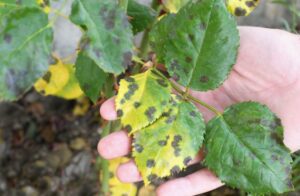
Natural tip: a neem oil spray can also reduce fungal spores while being gentle on the environment.
- Healthy Plants Resist Disease: Keep your plants well-fed and not drought-stressed (more on feeding below). A robust plant can better fight off pathogens. For instance, feeding spring-flowering shrubs with a balanced fertilizer will help new growth resist powdery mildew attacks.
By staying ahead of fungal problems now, you’ll save yourself headaches when the Western Cape’s dry summer heat arrives – a time when plants should be focusing on growth, not disease recovery.
Mulching Tips to Conserve Moisture and Improve Soil
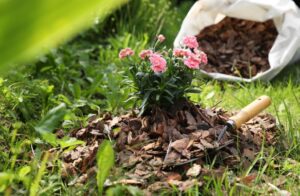 As winter rains taper off, mulching becomes your gardens’ best friend. Mulch is a layer of organic material spread on top of the soil, and it offers multiple benefits perfectly suited for the Western Cape’s upcoming dry months:
- Retains Soil Moisture: A 5–7 cm layer of mulch (such as bark chips, straw, or coarse compost) acts as an insulating blanket. It significantly reduces evaporation from the soil, keeping roots damp longer after watering or rainfall. This is crucial with summer water restrictions common in the Western Cape.
- Regulates Soil Temperature: Mulch keeps soil cooler during scorching summer afternoons and warmer on cooler spring nights. Stable soil temperatures help plants transition from the cool winter without stress.
- Suppresses Weeds: A thick mulch layer will smother weed seedling. Fewer weeds mean less competition for water and nutrients, and a tidier garden that’s easier to maintain.
- Prevents Erosion: If your garden soil was pounded by winter rains, mulch will help prevent crusting and erosion. It softens the impact of watering and any late seasonal rain, so water soaks in rather than running off.
Effective mulching tips: Wait until seedlings are at least a few centimeters tall before mulching around them. Keep mulch a few centimeters away from plant stems and trunks to prevent rot. And remember to replenish or “top up” mulch now if last winter’s weather broke it down. Your garden will thank you in the heat of December!
Spring Nutrition for a Lush Lawn and Vibrant Flowers
Winter’s heavy rains can leach nutrients from your soil, so spring is the perfect time to feed your lawn and flowering plants. Nutrient-rich soil will support vigorous growth heading into the dry season. Here are some nutrition tips for different parts of your garden:
- Revive Your Lawn: Lawns often look a bit tired or yellow after winter. A nitrogen-rich lawn feed will green them up fast. Kynoch’s TurboGrass® lawn fertilizer is an excellent choice for spring. TurboGrass contains slow-release nitrogen with an innovative coating that minimizes nutrient loss, so your grass stays green longer without risk of burn. It also supplies phosphate for strong roots and potassium for resilience.
Tip: Mow and rake up old thatch, then apply TurboGrass at the recommended rate. Water it in thoroughly to dissolve nutrients into the root zone. In a week or two, you’ll notice a lusher, thicker lawn.
- Feed Flowers and Shrubs: Flower beds and shrubs are gearing up to bloom in spring, making now a critical feeding time. Use a balanced fertilizer formulated for blooms. Kynoch’s KynoShrub, Flower & Fruit® fertilizer is designed to boost flowering and fruiting. Its 100% nutrient formula (NPK 2:3:4) encourages abundant blossoms and healthy fruit development. Apply it around roses, hibiscus, citrus trees, and other ornamentals. For example, give each rose bush a feeding to promote a flush of spring blooms, and feed citrus trees to support the new growth and upcoming fruit set. Always water after spreading fertilizer, helping nutrients reach the roots and avoiding any possible leaf scorch.
- General Garden Beds: If you’re planting new perennials or updating planter beds, mix some KynoGarden® all-purpose fertilizer into the soil. KynoGarden revitalizes soil health with a broad range of nutrients and contains no unnecessary fillers. It’s great for soil preparation when transplanting seedlings or establishing water-wise Mediterranean plants (like lavender or rosemary). By improving soil fertility now, you set the stage for strong plant growth through summer and into autumn.
- Vegetable Patch Boost: (If you grow veggies) Early spring is when you plant tomatoes, peppers, pumpkins, and more. Don’t forget to feed them! Kynoch’s KynoVeg® fertilizer is tailored for edibles. It slowly releases nutrients and includes micronutrients for veggie health, helping maximize your harvest. Mix a small handful into each planting hole or top-dress container veggies, then water in. This will give your crops a head start and improve the taste and size of your produce.
Feeding frequency: Many flowering plants and lawns benefit from feeding every 4–6 weeks in spring and summer. Lightweight sandy soils (common in parts of the Cape) may need more frequent, lighter feeds since water drains quickly. Always follow product guidelines – more isn’t better if it leads to runoff or burn. And remember, healthy, well-fed plants are more drought-tolerant, which is exactly what we need going into a dry summer.

A healthy green lawn and colorful flower border, thanks to proper spring fertilizing. For tips on how to Revive YouWestern Cape Lawn, click here.
Plan Ahead: Preparing Now for the Dry Summer
Spring isn’t just about enjoying blooms – it’s also the time to prepare for the hot, dry months to come:
- Water-Wise Planning: Consider incorporating water-wise plants into your garden design now. The Western Cape’s Mediterranean climate is perfect for natives and succulents that love dry conditions. Planting them in spring gives them time to establish roots before peak summer. Think of hardy rosemary, lavender, thyme, salvias, olive trees, and agaves – these thrive when other plants wilt in heat. By diversifying with drought-tolerant species, you’ll have a garden that stays beautiful with less watering.
- Irrigation Check: Test your irrigation system or watering routine. Fix any leaky hoses or sprinklers and adjust timers for the season. Deep, infrequent watering is best to encourage deep roots. If you don’t have an irrigation system, now might be a good time to invest in soaker hoses or drip lines for garden beds, which deliver water efficiently at soil level.
- Rain Harvesting: While winter brought ample rain, summer will demand resourcefulness. Set up a rain barrel (water tank) to collect any late spring showers or roof runoff. This stored water can be a lifesaver for your garden (and wallet) during water restrictions. Even a small 100–200 liter barrel on a downpipe can supply a few extra watering cans’ worth for your precious plants on a hot day.
- Soil Maintenance: Dig in compost where you can – around veggies, annual flower beds, or any soil that looks compacted from winter rain. Compost improves soil structure, helping it hold moisture longer and drain better. It’s a simple step that complements mulching and reduces drought stress.
- Tidy and Inspect: Clear out any remaining winter annuals that have finished flowering. Cut back dead foliage from perennials. Not only does this make room for new growth, but removing dead, damp material also reduces hiding spots for pests and fungus. As you tidy, check for pests like slugs or snails (which proliferated in the wet winter). Hand-pick them or use pet-safe bait now, so they don’t feast on your new seedlings.
Finally, take a moment to enjoy the spring bounty – your clivias, arum lilies, or African daisies might be blooming their hearts out thanks to the winter rains. By implementing these strategies, you’re ensuring that beauty lasts. A well-prepared Western Cape garden will sail smoothly into summer, remaining lush, colorful, and water-efficient through the dry spell.
Western Cape Spring Gardening FAQ
Q: How often should I water my garden as the Western Cape shifts into summer?
A: In spring, you may still get some rain, but as weather dries, water deeply about once or twice a week. It’s better to soak the ground thoroughly and then allow it to dry out a bit, rather than giving light daily sprinkles. Deep watering encourages roots to grow downward, making plants more drought-resilient. Always comply with local water restrictions – using mulch and water-wise plants will help you stay within limits.
Q: What’s the best mulch to use in my garden?
A: Use organic mulches like bark chips, shredded wood, straw, or even a thick layer of compost. Bark or wood chips are great for ornamental beds and around trees. Straw or shredded leaves work well in veggie gardens. Avoid putting mulch right against plant stems (to prevent rot) and aim for a layer about 5-7 cm thick for effective coverage. In very windy areas (the Cape Doctor wind can blow light mulch away), heavier mulch like gravel or pebbles can be used in pathways or pots.
Q: How can I prevent fungal diseases without using harsh chemicals?
A: Good gardening practices go a long way. First, prune and space plants so they aren’t overcrowded – this improves airflow. Water at the base of plants in the morning to keep foliage dry. You can also use natural treatments: for example, spray a mild solution of milk and water or bicarbonate of soda on roses weekly to ward off powdery mildew. Removing and destroying any infected leaves quickly prevents spread. If you do need a fungicide, opt for eco-friendly options from your garden center (many carry copper soap or sulfur-based fungicides safe for edible gardens).
Q: When should I fertilize my lawn and flowers in spring?
A: Begin feeding as soon as you see active growth – typically early to mid-spring (September in the Western Cape). Lawns can get their first spring feed once they start turning green and growing again. Flowering plants should be fed when you see new buds or leaves emerging. A schedule of feeding every 4-6 weeks through spring and summer keeps plants at their best. Always follow the specific fertilizer’s instructions. For instance, see our TurboGrass lawn fertilizer guidelines for lawns, or the KynoShrub Flower & Fruit feeding schedule for roses and fruit trees. Regular, modest feedings are better than one heavy dose.