Watering Smart in August
What Your Lawn Needs (and What It Doesn’t)

Watering Wisely for Early Spring
As winter gives way to spring, your lawn’s watering needs start to shift. August is a transitional month in South Africa – Gauteng lawns are dry and dormant, while Western Cape gardens are still soaking from winter rains. Getting the balance right is key: too little water delays green-up, while too much invites disease and waste.
The goal now is deep, infrequent soakings at the right time of day, rather than daily light sprinklings. Regional differences matter too – Gauteng needs consistent watering to wake roots, while the Cape often needs drainage more than extra irrigation. Combine smart watering with your TurboGrass® program, and your lawn will head into spring strong, green, and resilient.
Early Spring Water Needs vs. Overwatering Risks
As winter fades, lawns don’t need much water until growth kicks in. The trick is balance: enough moisture to support new shoots and dissolve fertilizer, but not so much that roots drown or nutrients wash away.
Dormancy and Root Activity
In late winter, grass is semi-dormant and uses little water. As it “wakes up” in August, a light green haze signals the right time to increase watering. Too much too soon leads to soggy soil, yellowing, and fungal problems. Stick to deep, occasional soakings rather than daily sprinklings.
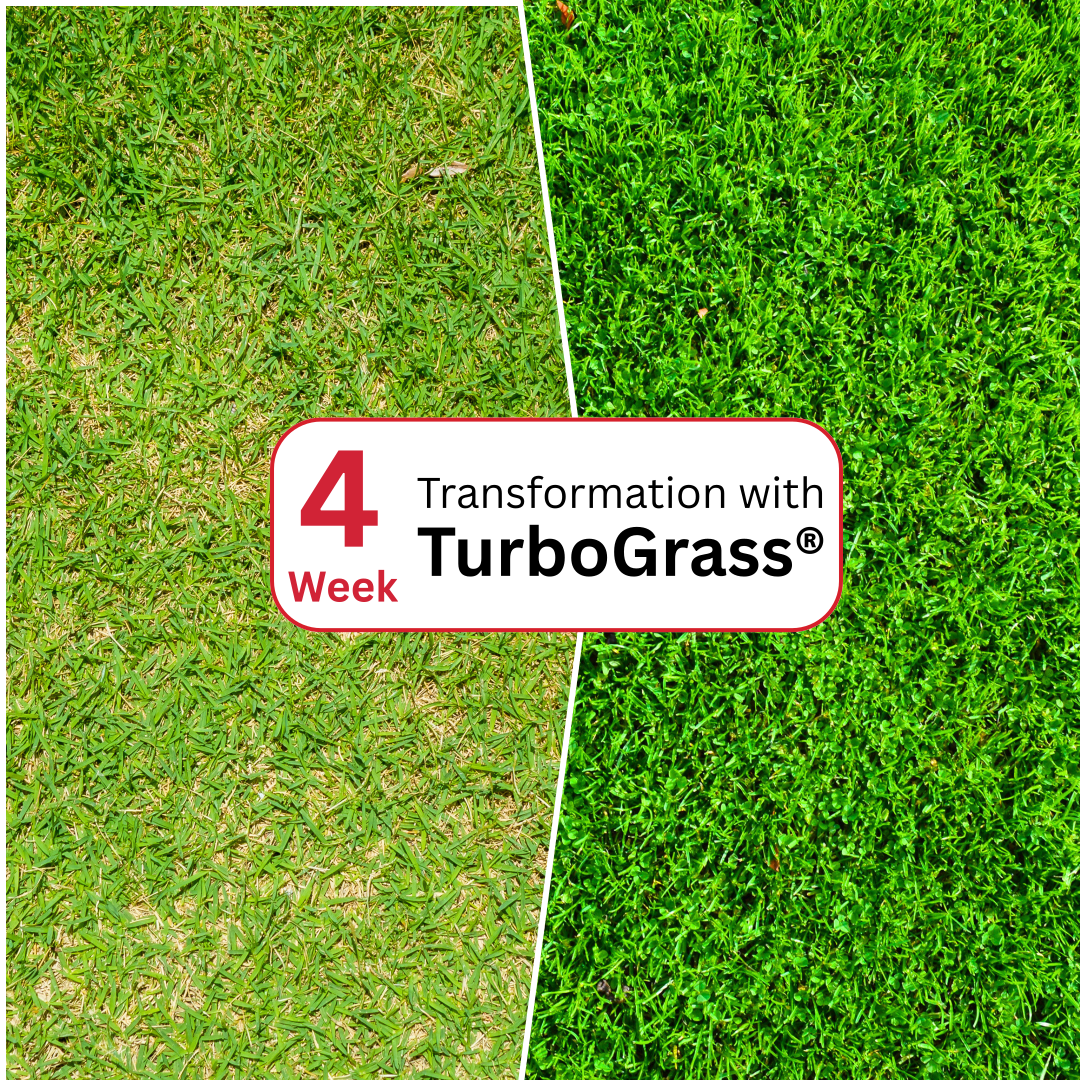
By giving your lawn a balanced meal with TurboGrass®, you address the root causes behind yellow, slow-growing, patchy turf. Green color returns, growth speeds up, and bare spots fill in as the grass thickens. A well-fed lawn will also start to crowd out those pesky weeds that invaded when it was weak.
Regional Differences
- Gauteng & summer-rainfall regions: August is dry, so lawns need help to green up before the first thundershowers arrive.
- Western Cape: Still in rainy season – lawns may already be saturated. Hold back on irrigation unless you hit a dry spell. Always check soil: dry, powdery soil means water; soft, wet soil means wait.
After Fertilizing
When applying TurboGrass 10.1.5 or KynoGarden 2:3:2 in early spring, water thoroughly afterward. This dissolves the granules and carries nutrients to the roots. In Gauteng, this step is vital since rain won’t do it for you. In the Cape, supplement rainfall if showers are light. Avoid overwatering to prevent runoff.

Best Practices for Spring Watering
Smart watering is less about how much you use and more about how you do it. The right approach builds deeper roots, saves water, and supports stronger TurboGrass® results.
1. Water Deeply, Not Often
Skip daily sprinklings – instead, give your lawn a good soak that wets the soil 10–15 cm deep. This trains roots to grow downwards, making the lawn more drought-hardy. In most regions, once a week is enough in early spring, adjusting for rainfall. In Gauteng, water weekly since it’s dry; in the Western Cape, August rains often mean no irrigation is needed yet.
2. Time it Right
Early morning (5–9 AM) is ideal: cooler temps reduce evaporation, and grass dries during the day, lowering fungus risk. Avoid evening watering that leaves lawns damp overnight, and skip midday watering that wastes water.
3. Prevent Overwatering
Stop before puddles form. Overwatering wastes water, leaches nutrients, and suffocates roots. If water runs off quickly (especially on slopes or clay soils), irrigate in short bursts to let it soak in.
4. Match Your Soil
- Sandy soil drains fast – water a bit more often, but still deeply.
- Clay soil holds water – water less often, but avoid saturation.
Adding compost or lawn dressing in early spring helps balance both.
5. Tools and Timing
Use sprinklers that spread water evenly. A simple timer prevents overwatering. In water-scarce areas, consider rainwater harvesting or greywater (eco-friendly soaps only).
6. Adjust with the Season
As September warms up, increase watering slightly. Watch for signs like wilting, dull color, or footprints that don’t spring back – all cues your lawn needs water. Dial back after rain.

Gauteng vs. Western Cape: Tailoring Your Watering
South Africa’s two main regions have opposite rainfall patterns, so your watering plan must adapt.
Gauteng and the Highveld (Dry Late Winter)
By August, lawns are dry and soil is thirsty after months without rain. Once you’ve fertilized and done any lawn clean-up, give your grass a deep soak to rehydrate and activate nutrients. With no rain yet, plan to water weekly (sometimes twice a week if it’s hot). Always water in the morning, and focus on fewer deep soakings rather than daily light watering. As September progresses and rains return, reduce irrigation and let nature take over.
Western Cape (Wet Late Winter)
August is still rainy, so extra watering usually isn’t needed. In fact, too much water can suffocate roots and trigger fungal problems. Focus on drainage and avoid irrigating on top of heavy rain. As spring arrives and rains taper, start shifting to a deep weekly watering routine, adding more only as the season warms. If you fertilize with TurboGrass®, time it just before rain or water it in yourself to activate nutrients.
Other Regions
In KZN and Eastern Cape, conditions mirror Gauteng but with milder winters and coastal showers. Adjust based on your local rainfall – the same principles of deep, infrequent watering apply.
What NOT to Do: Common Watering Mistakes
- Don’t Water Every Day – Daily light watering makes shallow, weak roots and wastes water. Stick to deep soakings once or twice a week.
- Don’t Water at Night – Wet lawns overnight invite fungal disease. Morning watering is always best.
- Don’t Ignore the Weather – Skip watering after good rain, and increase only during heatwaves. Stay flexible.
- Don’t Waste Water – Adjust sprinklers so you’re not watering driveways or roads. Morning watering also reduces wind drift.
- Don’t Skip Aeration – If water puddles or runs off, your soil may be compacted. Aerating helps water soak in and roots breathe.
- Don’t Panic Over Brown Grass – After winter, lawns may stay brown until temperatures rise. Fertilizer and patience bring green-up faster than flooding with water.