Balcony Gardening – Getting Ready for Spring in South Africa
Balcony Gardening Tips For Spring
Balcony gardening is booming in South Africa as more people turn to small-space gardening to connect with nature. With urban living on the rise, even the smallest nook can become a green retreat. Demand for apartments with outdoor space has grown as people look for a spot to unwind and grow herbs, veggies, or flowers. Beyond looks, balcony gardening offers wellness benefits too – tending plants can ease stress and improve quality of life. With clever solutions like vertical planters and railing pots, anyone can garden in just a few square meters. This spring, why not turn your balcony into your own green oasis?
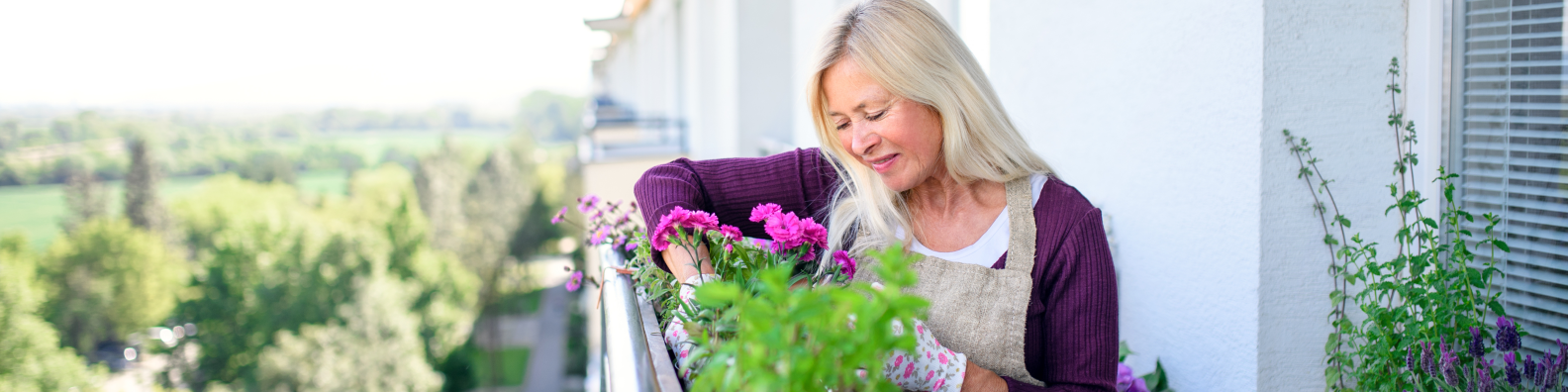
End-Of-Winter Balcony Prep
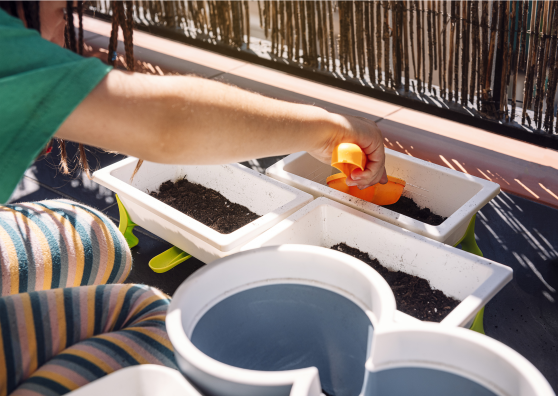
Late August, the tail end of winter in SA, is the ideal time to prep your balcony for spring. Start with a clean sweep: clear dead foliage and wash pots with mild soapy water or vinegar to remove pests and fungi. Check drainage holes, and if needed, raise containers on bricks or pot feet so water can run off. Refresh the soil by replacing the top layer with fresh potting mix and compost, and repot root-bound plants into slightly larger containers. As the sun’s angle shifts into spring, reposition pots to ensure 4–6 hours of direct sun for light-loving plants. A bit of maintenance now – tightening trellis ties, wiping leaves, and tidying up – will set the stage for a colourful spring display
Spring Ready Plant Picks for Small Spaces
With your balcony prepped, it’s time for the fun part: choosing what to grow. Late August is perfect for planting fast growers and hardy seedlings that thrive in containers.
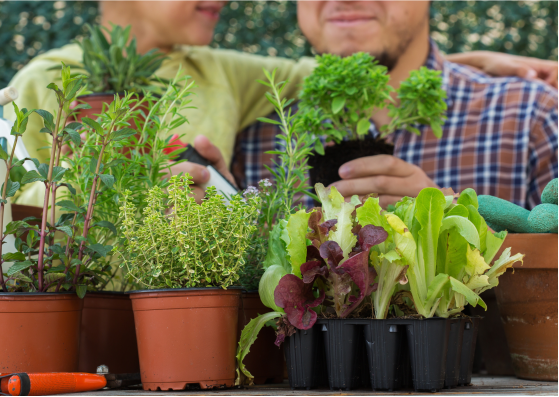
Easy Edibles – Herbs and salad greens bring quick rewards. Sow lettuce, rocket, or spinach in planter boxes for baby leaves in a few weeks. Cool-tolerant herbs like parsley and coriander can be planted now, while basil seeds are better kept indoors until nights warm. These compact edibles suit pots perfectly and add fresh flavour to your meals. As a bonus, flowering herbs such as chives or rosemary draw in bees and beneficial insects to support pollination.
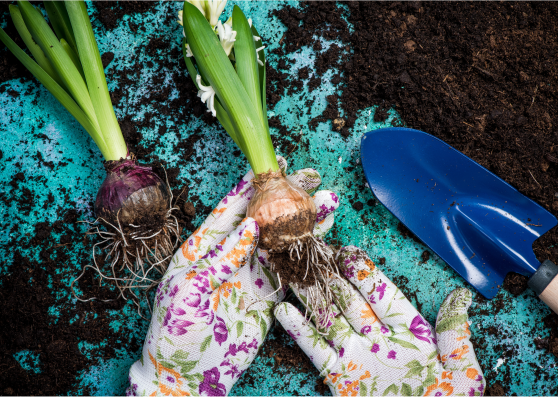
Compact Veggies – If you have space for a deeper pot, try spring onions, baby carrots, or radishes, which all thrive when sown in late August. For variety, start cherry tomatoes or peppers indoors and move them outside next month. Mixing in marigolds is a smart trick – their roots naturally release substances that suppress soil pests, while their bright flowers add colour. This combination of edibles and ornamentals creates a modern “cottage garden” effect, even in a small space.
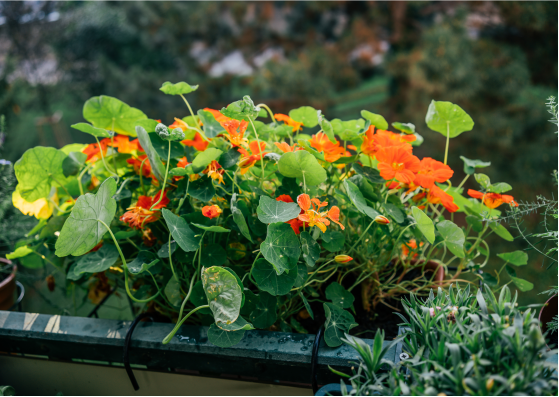
Colourful Flowers –Flowers add instant cheer and balance the greenery. Nasturtiums germinate quickly, trail over pot edges, and their leaves and blooms are edible. Sweet alyssum offers dainty, honey-scented flowers that spill from baskets or fill gaps between larger plants, and they handle cooler late-winter weather with ease.
Petunias and pansies are reliable for early spring colour – plant seedlings now and they’ll bloom strongly through September. Petunias, in particular, thrive in the cool, dry weather and will flower generously until midsummer rains arrive.
Companion Planting Tip
Make every pot work harder by pairing plants together. Tall or bushy plants can be underplanted with low-growing herbs to act as living mulch, keeping soil cool and conserving moisture. A simple “mini guild” works well in large containers – place a small shrub or fruiting plant in the centre, surround it with herbs like oregano or thyme, and add a splash of colour with a flowering plant. This layered planting style not only looks lush but also supports soil health and deters pests. Just remember, companions are helpers, but they don’t replace the nutrients your plants need – keep feeding with a balanced fertilizer to keep everything thriving like KynoShrub, Flower and Fruit 3.1.5 (25).
Feeding Your Balcony for Success
Soil in pots loses fertility quickly, so a steady feeding routine is essential for healthy growth. At planting time, mix a slow-release fertilizer into your potting soil to give roots a strong start. A balanced option like KynoGarden 2:3:2 boosts soil vitality and root development, while KynoVeg 2:3:4 is ideal for vegetables and herbs, encouraging robust growth and better flavour. These compact granular fertilizers are easy to sprinkle into pots and steadily release nutrients with each watering.
Once planted, keep feeding regularly through spring. Container plants typically need fertilizer every 4–6 weeks, as nutrients are quickly washed out. You can stick with a granular slow-release type or alternate with a diluted liquid feed for faster uptake. Just follow the dosage on the label to avoid overdoing it. Products like KynoGarden or KynoShrub, Flower & Fruit can be applied monthly to boost bloom rate, strengthen plants, and keep your balcony flowers and foliage thriving.
Consistency is the key – regular feeding gives your balcony plants the energy to produce abundant flowers, fruits, and greenery, just in time for the spring season.
Smart Watering in Containers
Balcony plants dry out faster than garden beds, but too much water can quickly waterlog roots. The trick is finding balance. Here are some water-smart tips to keep your container garden happy:
Check Soil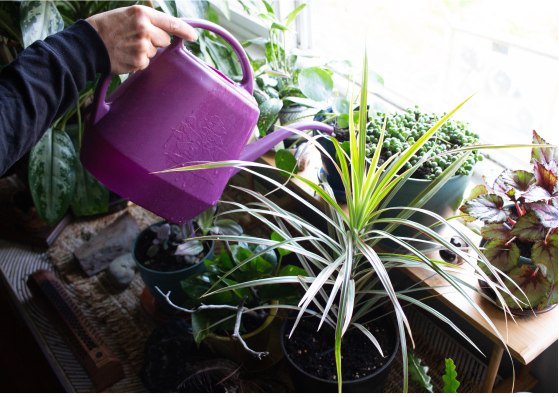 Moisture Regularly: press your finger a few centimeters into the soil; if it’s dry at that depth, it’s time to water. When you do water, give pots a deep soak until water runs from the drainage holes, then empty saucers so roots aren’t left sitting in stagnant water.
Water Deeply, Then Let Drain: Soak each pot until water runs from the drainage holes so all roots are reached. Always empty saucers or drip trays so pots don’t sit in stagnant water; waterlogged soil can cause root rot and even flush nutrients away. If lifting trays is a hassle, raise pots on feet so excess water can evaporate or be siphoned off.
Mulch and Group Plants: Add a thin layer of mulch (bark chips, straw, or pebbles) to cut evaporation and stabilise soil temperature. Group pots to create a slightly more humid microclimate and mutual shade. Keep thirstier plants together for efficient watering, and park succulents/drought-tolerant pots separately so they aren’t overwatered.
Use the Right Tools: If you have many containers, a simple micro-drip kit or self-watering planters keeps moisture steady (great if you travel). Otherwise, a long-spout watering can lets you deliver water straight to the soil and avoid leaf splash.
Finally, remember that as spring progresses into summer, temperatures will rise and your plants’ water needs will increase. Stay flexible and adjust your watering frequency. With attentive care, your container garden will be bursting with color and life by September, ready for you to enjoy throughout the spring season.