

How to Get Rid of Lawn Weeds – For Good.
Why Feeding Your Lawn Is Your Best Defense
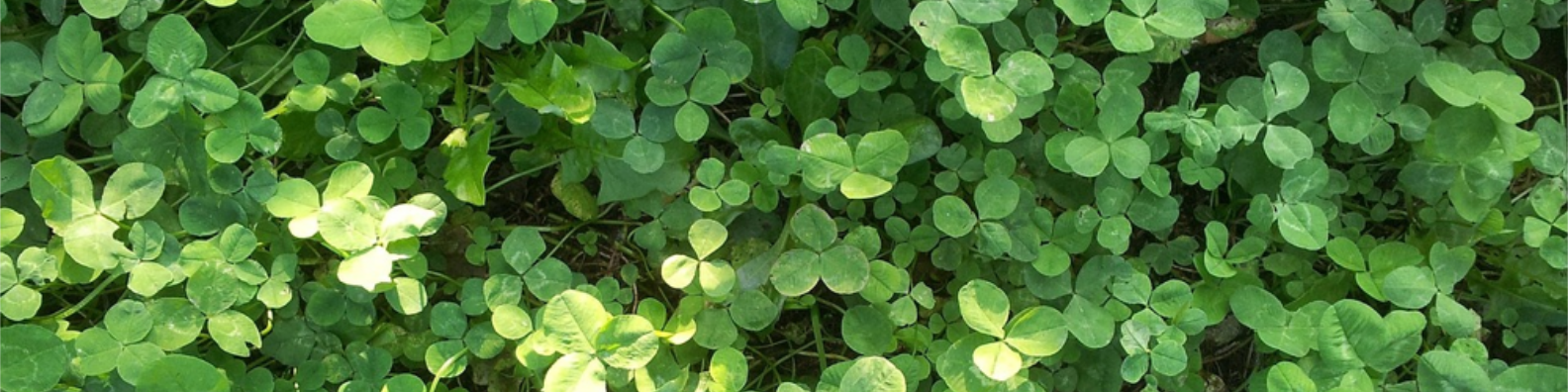
A patch of clover invading a lawn – a common sight when grass is underfed and thin.
Weeds popping up all over your lawn? Early spring in South Africa (around August) often reveals unwanted green intruders like annual bluegrass and white clover peeking through your turf. Many homeowners immediately think of reaching for weedkillers, but an even more powerful weapon is often overlooked: a well-fed, healthy lawn. By giving your grass the nutrients it needs, you can naturally suppress weeds and let your lawn itself “fight” the invaders. Let’s explore why a robust lawn fed with something like Kynoch’s TurboGrass 10.1.5 (25) can win the war against common lawn weeds.
Why Weak Lawns Get Overrun by Weeds
Weeds are nature’s opportunists – they take advantage of thin, weak turf. When your lawn is undernourished or patchy, there are bare soil spots and underperforming grass plants, which create the perfect opening for weeds to germinate and thrive. Essentially, a weak lawn invites weeds to the party.
Two common culprits visible in late winter and early spring are:
- Annual Bluegrass (Poa annua): Also known as “winter grass,” this is a grassy weed that loves cool, moist conditions. It appears as bright yellow-green clumps of fine grass in your lawn, often with whitish, tufted seed heads that stick up above the grass blades. Poa annua germinates in the cooler months (fall/winter) and is very noticeable in August before the main lawn fully greens up. It will die off as weather warms, but not before producing tons of seeds for next season. It tends to invade lawns that are thin or where the turf is not vigorous enough to crowd it out.
- White Clover (Trifolium repens): This low-growing broadleaf weed is easy to spot by its trifoliate (three-leaf) clusters and occasional white flowers.
 Clover often forms mats or patches across a lawn. Why is clover so common in under-fertilized lawns? Because clover can make its own nitrogen by fixing it from the air, it thrives in soil where nitrogen is low and grass is starving. To put it simply, clover is an indicator of nitrogen-deficient turf. It takes over areas where grass growth is poor. While clover has its fans (it’s green and can stay lush without much care), if you’re aiming for a pure grass lawn, clover patches are a sign you need to beef up your lawn’s nutrition.
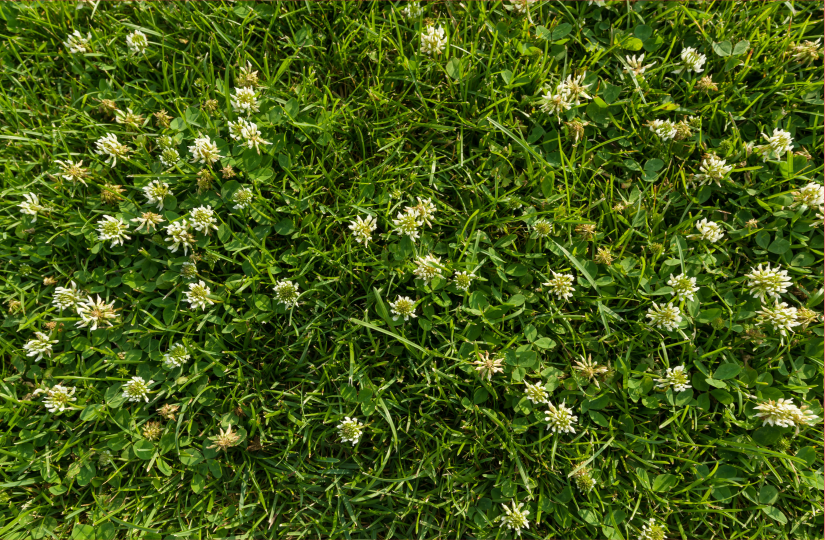 Clover often forms mats or patches across a lawn. Why is clover so common in under-fertilized lawns? Because clover can make its own nitrogen by fixing it from the air, it thrives in soil where nitrogen is low and grass is starving. To put it simply, clover is an indicator of nitrogen-deficient turf. It takes over areas where grass growth is poor. While clover has its fans (it’s green and can stay lush without much care), if you’re aiming for a pure grass lawn, clover patches are a sign you need to beef up your lawn’s nutrition.
Beyond these, you might also see other weeds like dandelions, winter annual broadleaves, or different types of lawn clover/oxalis in early spring. In all cases, weeds flourish when grass coverage is sparse and not competitive enough to keep them at bay.
Feeding Your Lawn – The Best Defense is a Good Offense
The truth is that a thick, healthy lawn is nature’s own weed control. Feeding your lawn with proper fertilizer is like arming it for battle against weeds. Here’s how a well-fed lawn helps beat the weeds:
- Thicker Grass = Less Space for Weeds: When your grass is getting ample nutrients (especially nitrogen), it grows in fuller and denser. Robust grass forms a tight canopy and root network that crowds out weeds. Weed seeds require sunlight and open soil to germinate; a dense lawn drastically reduces those opportunities. For example, Poa annua seedlings can’t easily take hold in fall if your lawn is thick and vigorously growing, because the weed seeds won’t get the light or bare soil they need. Essentially, you want your lawn to “shade out” emerging weeds.
- Nutrient-Rich Soil Favors Grass Over Weeds: Weeds are adapted to survive in poor soil and neglect. If you improve your soil fertility through regular feeding, turfgrass responds dramatically (with stronger roots and shoots), whereas many weeds actually prefer lean conditions. A great case is clover: add nitrogen fertilizer and your grass will surge, but clover won’t benefit (since it was thriving on low nitrogen to begin with). In fact, high nitrogen fertilization can inhibit clover growth while turbo-charging the grass. By feeding your lawn, you’re tilting the playing field in favor of grass. Your lawn becomes the dominant competitor that steals back nutrients, water, and sunlight from the weeds.
- Healthy Lawns Resist Pests and Disease: A nutrient-fed lawn not only fights weeds but also is less susceptible to other problems like pests or diseases. Weeds often exploit lawns that have been weakened by insect damage or disease (which are more likely when the grass is under-fed). By keeping your lawn well-fed and vigorous, you close those entry points too. Think of fertilizing as boosting your lawn’s immune system – much like a well-nourished body can fend off illness, a well-nourished lawn can fend off invaders of all sorts.
- Stronger Roots Fill in Gaps: Feeding with a balanced fertilizer (that includes phosphorus and potassium along with nitrogen) encourages deep rooting and spreading of grass. TurboGrass, for instance, has phosphate to strengthen roots – this helps grass quickly re-fill bare spots where weeds would otherwise settle. Potassium in the mix improves overall turf resilience. The end result is a lawn that heals its thin spots faster, leaving less open real estate for weeds to occupy.
In summary, fertilizing is a proactive weed control. Instead of reacting after weeds appear, you build a lawn environment where weeds struggle to germinate or survive.
TurboGrass: Feeding the Lawn to Fight Weeds
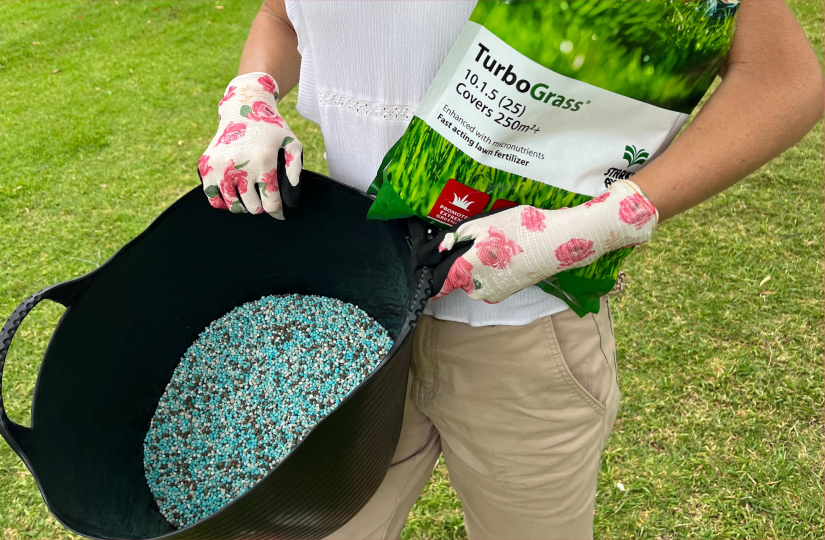
Not all fertilizers are equal in helping your lawn outcompete weeds, but TurboGrass 10.1.5 (25) is especially effective as a weed-fighting feed. Here’s why it’s a great choice in the war on weeds:
- Fast “Extreme Greening” and Growth: TurboGrass’s high-nitrogen formula (enhanced with KynoPlus coated urea) produces an “extreme greening and thickening” of your lawn. This means within a week or two of application, your grass will be growing faster and filling in thin areas, depriving weeds of space. Rapid grass growth in late winter/early spring can outpace cool-season weeds like Poa annua, which often can’t grow as vigorously under a well-fed lawn canopy.
- Phosphate to Suppress Weeds: Interestingly, TurboGrass is phosphate-enriched to suppress weeds as well as to develop roots. A strong root system helps the grass establish dominance in the soil, which can literally push out shallow-rooted weeds. By fortifying the lawn’s roots, TurboGrass makes your turf a much tougher competitor against weed invasion.
- Long-Lasting Nutrient Release: The controlled-release nature of TurboGrass’s nitrogen means your lawn stays nourished for longer, keeping it continuously competitive. The grass blades look greener and stay greener for longer periods, rather than quickly using up a dose and fading. This sustained feeding is crucial to keep weeds at bay throughout the early spring. As weeds try to sprout, they find the turf already strong and active.
- Micronutrients for Vigorous Color: TurboGrass also contains magnesium, iron, and zinc that amp up chlorophyll production and overall plant health. That deep green, vigorous grass it creates isn’t just for show – it signals a lawn that is photosynthesizing at full capacity and growing robustly. Such a lawn can choke out young weeds simply by sheer growth and coverage. Think of each grass plant as being supercharged; together, they form a united front that weeds can’t easily penetrate.
To use TurboGrass as a weed-fighting ally, apply it in late winter (August) as your lawn shows signs of waking up. This timing is key: you’re giving grass a head start to dominate spring growth before the major flush of weed germination in early spring. Always follow the application instructions and spread it evenly. Water it in well so nutrients reach the roots and to ensure any weed seeds on the surface get buried in nutrient-rich, unfriendly-to-weeds soil.
Cultivate a Weed-Resistant Lawn Ecosystem
Feeding your lawn is the foundational step to weed control, but don’t forget other smart lawn care practices that complement fertilizing:
- Mow a bit higher in spring: Slightly taller grass (avoid scalping the lawn) will shade soil and hinder weed seedlings. It also encourages deeper grass roots. Combined with proper feeding, this gives grass a competitive height and depth advantage over weeds.
- Remove existing weeds early: While a healthy lawn will prevent most weeds, you may need to manually remove or spot-treat the weeds that are already present. Pull out patches of clover or annual bluegrass clumps you see before they seed. This, along with feeding, stops the spread and recurrence.
- Overseed bare spots: If some sections of your lawn are very bare (maybe from heavy traffic or pet spots), consider overseeding with grass seed in early spring. Fertilizer like TurboGrass will help new grass seedlings establish fast. A thickly overseeded and fed patch will block weeds from filling that void.
By focusing on lawn nutrition and overall lawn health, you’re adopting a long-term, sustainable strategy to win the war on weeds. Instead of constantly playing whack-a-mole with weed sprouts, you’ll have fewer weeds to deal with in the first place.
Bottom line: A well-fed lawn is a weed’s worst enemy. TurboGrass 10.1.5 (25) gives South African lawns the nutrients they need to come out of winter strong, green, and ready to fight off the weed invasion naturally. Feed your lawn, beef up its defenses, and enjoy a lush, weed-resistant turf this spring – letting you spend less time battling weeds and more time enjoying your green, healthy grass!
