Gauteng Spring Lawn Care – 3 Essential Steps for the First Rains
Gauteng Spring Lawn Care: Preparing for the First Rains
Gauteng spring lawn care is all about waking up your garden after winter and getting it ready for those early rains. Start by clearing winter debris: mow the grass slightly shorter and rake up dry leaves and thatch. Removing the old, dead material helps sunlight, water, and nutrients reach new grass shoots. Don’t forget to clean out flower beds and borders too – this fresh start lets your lawn and plants “breathe” again.
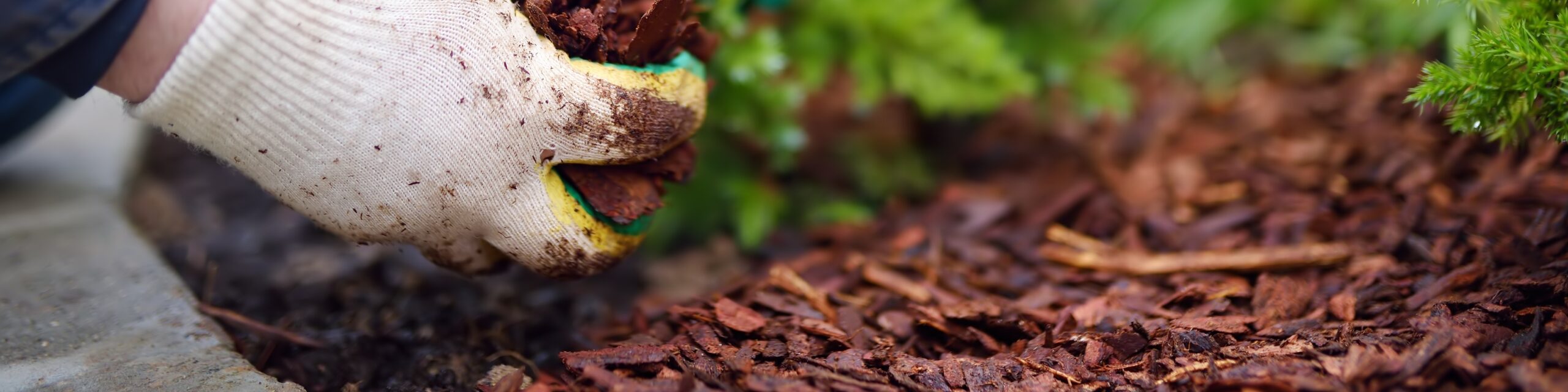
Next, mulch your garden beds to lock in moisture and nutrients. A layer of organic mulch (like bark or compost) around your plants will conserve soil moisture and reduce
runoff when spring storms hit. Mulching also suppresses weeds and prevents valuable nutrients from leaching away during heavy rain. This way, when the first thunderstorms arrive (often
by mid-to-late September in Gauteng), your soil is protected and ready to soak up the benefits.
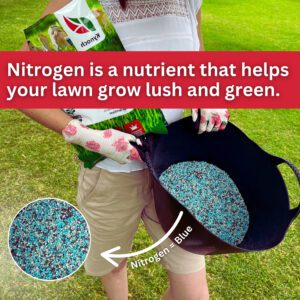
Finally, feed your lawn with a slow-release spring fertilizer like Kynoch’s TurboGrass® . Early spring is the ideal time to fertilize so that nutrients are in place before consistent rains begin. TurboGrass® contains coated nitrogen (Kynoplus Pro® with ANVOL) that gradually releases, avoiding fertilizer burn and volatilization. This means your lawn stays nourished over weeks of spring weather. The product’s formula (10:1:5 NPK) is rich in nitrogen for greening, plus phosphate to strengthen roots and potassium for hardiness. Apply it now so that when rainwater activates the granules, your grass greens up quickly and stays green. Always water the lawn after feeding to help the nutrients soak in – you can even let the first rains do this for you!
Quick Spring Lawn Care Tips (FAQ)
Q: When should I start spring lawn care in Gauteng?
A: Begin in late winter to early September. Clear away debris and apply fertilizer before regular rains start so your lawn can absorb nutrients in time for the first showers.
Q: Why use slow-release fertilizer before rains?
A: Slow-release products like TurboGrass® won’t wash away with the first rains. Instead, they feed your lawn gradually as rain falls. The special coating limits nutrient loss and prevents burning, keeping the lawn greener for longer.
Q: Do I still need to water if rain is coming?
A: It’s wise to water in fertilizer if heavy rain isn’t immediately expected. Consistent moisture in early spring helps wake up grass roots. Once the rainy season is in full swing, nature will do the watering for you.