August Lawn Care
Mowing and Watering for Spring Success
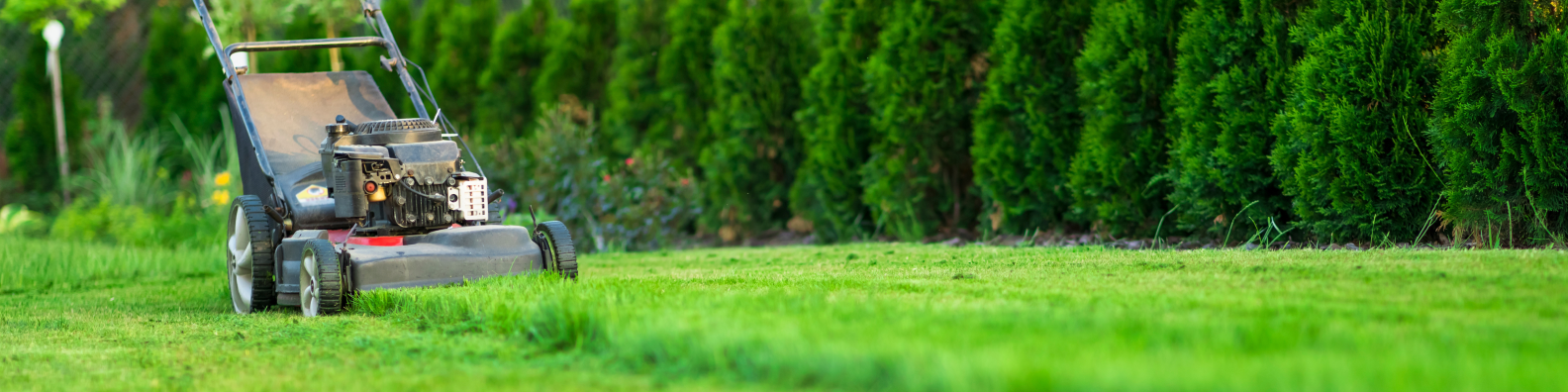
Mow Like a Pro – How and When to Cut After Winter
August is “lawn time” in South Africa – the key moment to prep for spring growth. After winter, grass often looks patchy and brown, especially in dry regions like Gauteng. The good news: mowing now jumpstarts recovery. Cutting stimulates fresh shoots, thickens the lawn, and acts like pruning a plant. When paired with feeding and watering, mowing becomes the trigger for a lush, green lawn. In this guide, we’ll cover when to mow, how to cut correctly, and common mistakes to avoid so you can get the best results with TurboGrass this spring.
When to Start Mowing After Winter (Timing by Region)
As August warms up, lawns across South Africa wake from dormancy. Start mowing as soon as you see new growth – even a light trim helps. Timing differs by region:
- Gauteng/Highveld (Dry Winter): Lawns here are often dry and dormant after frost. Begin with a short “scalp cut” in late August to clear dead grass and thatch, then rake out debris. This lets sunlight, water, and fertilizer reach fresh shoots. The lawn may look thin at first, but it will bounce back.
- Western Cape (Wet Winter): Lawns emerge from a cold, rainy season and may be long or mossy. Avoid harsh scalping. Instead, give a light trim on a dry day, just enough to neaten the lawn and remove yellow tips. If waterlogged, spike the soil for drainage before mowing heavily.

Mowing Height and Frequency for a Thicker Lawn
After your first spring cut, settle into a regular routine. The two keys: height and frequency.
- Cutting Height: Keep lawns about 5–7 cm high. Follow the one-third rule: never remove more than a third of the blade in one mow. If the lawn is long, lower it gradually over a few cuts. Cutting too low weakens roots and leaves the lawn patchy.
- Mowing Frequency: Aim for once a week as growth picks up (every 2 weeks in early spring if growth is slow). Regular cutting encourages thicker growth by stimulating new shoots, while infrequent mowing leads to scalping and uneven patches.
- Seasonal Adjustments: In hot or dry spells, let grass grow slightly taller to shade soil and conserve moisture. During cooler wet periods, keep it shorter but avoid mowing wet grass.
Pro Tips for Healthy Mowing
Mowing is more than just pushing the mower around – how you mow affects lawn health. Keep these pro tips in mind:
- Mow When Dry: Avoid mowing wet grass. It cuts unevenly, clumps, and can smother sections of lawn. Wait until dew or rain has dried.
- Keep Blades Sharp: Dull blades tear grass, leaving brown tips and inviting disease. Sharpen or replace blades at least once a season.
- Follow the 1/3 Rule: Never cut off more than one-third of blade height at a time. For overgrown lawns, lower gradually over a few mows.
- Change Directions: Alternate mowing patterns weekly to prevent ruts, soil compaction, and grass laying one way.
- Time It Right: Mow in cooler parts of the day – late morning or afternoon – to avoid stressing the grass (and yourself). Skip mowing in midday heat or windy Cape conditions.
- Grasscycling: Leave clippings on the lawn if it’s healthy – they decompose and return nutrients. Only remove if disease or heavy thatch is present.
- Finish with Edging: Tidy up borders with a trimmer or edging tool for a neat, contained look, especially with runner grasses like Kikuyu.
Avoid These Common Mowing Mistakes
Even seasoned gardeners slip up. Steer clear of these lawn “no-no’s”:
- Scalping the Lawn: Cutting too low removes vital leaf area and exposes crowns. Only scalp deliberately for thatch removal (e.g., Kikuyu in spring).
- Mowing Too Infrequently: Letting grass grow tall then cutting all at once shocks it and leaves smothering clumps. Weekly or biweekly cuts are healthier and easier.
- Dull Blades: Torn, brown tips after mowing mean your blade needs sharpening. Sharpen at least once a season.
- Mowing Wet Grass: Avoid waterlogged lawns – it compacts soil, causes uneven cuts, and creates clumps. Wait for dry conditions.
- Ignoring Lawn Conditions: Moss, bumps, or poor drainage need fixes beyond mowing. Adjust with aeration, topsoil, or drainage solutions.
- One Height All Season: Adjust mower settings with weather and grass type. Longer in hot, dry spells; shorter in wet periods.
Mowing + Fertilizing: The Growth Power Combo
Mowing sparks new growth, but pairing it with the right fertilizer really transforms your lawn. Here’s how to combine them:
- Early Spring Feeding: After the first mow, feed with a root-strengthening fertilizer like KynoGarden 2:3:2 (NPK). This restores energy after winter and prepares the lawn for strong leaf growth. Apply in late August, water in well, and rake away winter debris so nutrients can reach the soil.
- Regular Routine: Keep mowing weekly (or as growth allows) and maintain steady soil moisture. Each cut encourages more shoots, and nutrients drive them to thicken fast.
- High-Nitrogen Boost (TurboGrass): By early September, switch to a nitrogen-rich fertilizer like TurboGrass 10-1-5 (25). It fuels lush greening and thickening with quick and slow-release nitrogen plus key micronutrients. Mow before applying, then water in. Results show within a week or two.
- Maintain Momentum: Once TurboGrass kicks in, growth will be fast – mow more often, but stick to the 1/3 rule. If growth feels overwhelming, raise the mower slightly instead of cutting too low. Leaving clippings is fine (they’ll recycle nutrients back into the soil).