
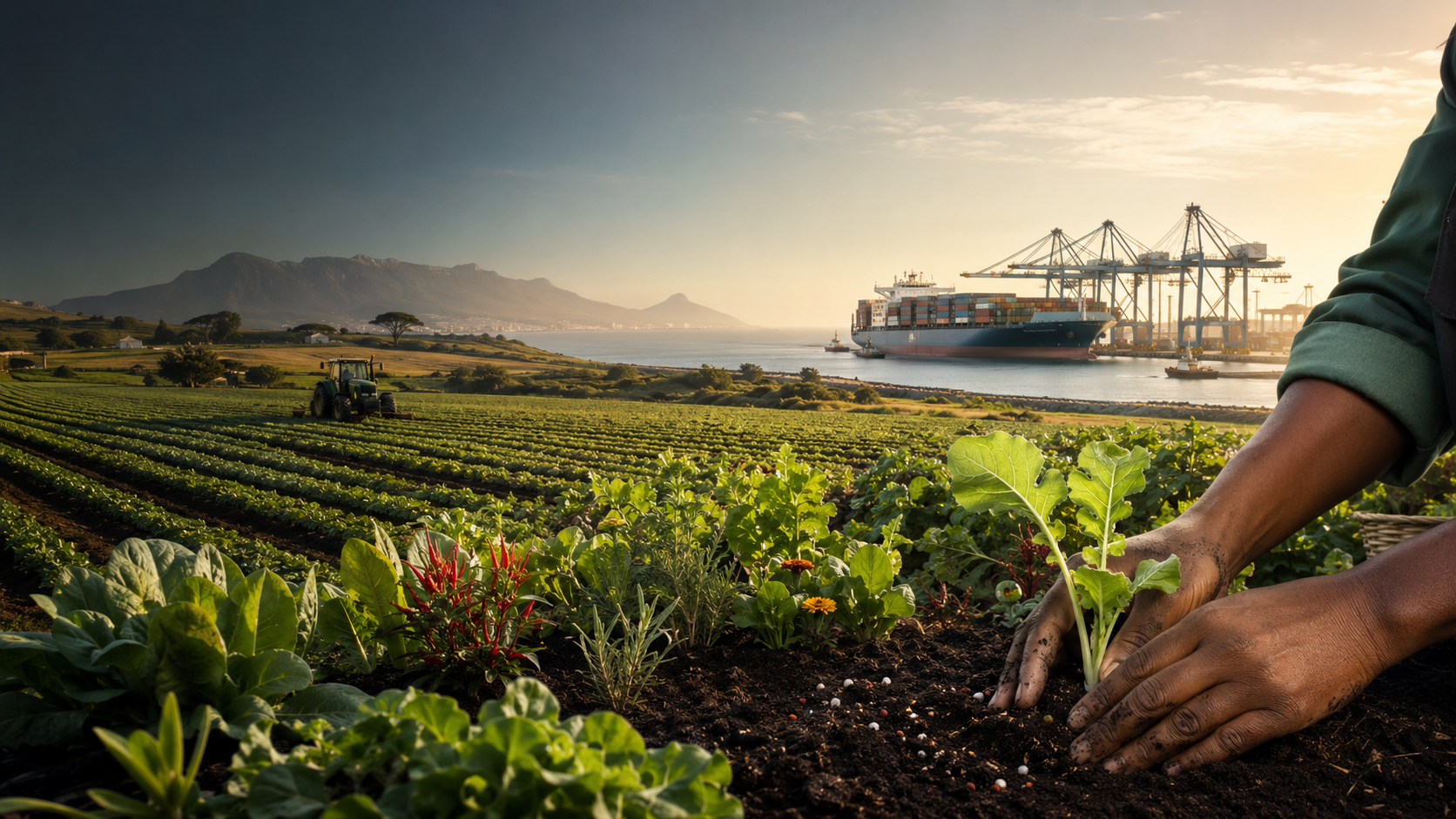
How Middle East Conflict Affects South Africa: From Global Shipping to Your Garden
It may seem as though a conflict thousands of kilometres away has very little to do with your lawn, vegetable garden or the price of food in South Africa.
However, global events can travel surprisingly quickly—from an important shipping route, to the fuel pump, to a farmer’s input costs and eventually to the shelves of your local supermarket or garden centre.
The connection becomes easier to understand when we follow the journey.
What did COVID-19 teach us about global supply chains?
During COVID-19, factories slowed or closed, ports became congested, containers were in the wrong places and international shipping schedules were disrupted. Fertilizer production, trade and transport were all affected.
The result was not only delayed deliveries. When fewer products could move and shipping became more expensive, the cost of imported goods increased. Fertilizer was among the essential agricultural inputs affected. The International Fertilizer Development Center’s 2026 Fertilizer Crisis Response Bulletin notes that the pandemic contributed to fertilizer shortages and exceptional price increases, while transport costs remained elevated even after supply chains started stabilising.
An important global lesson
A product does not need to be manufactured in South Africa for a disruption elsewhere to affect us.
Raw materials, fuel, packaging, machinery, spare parts and shipping are all connected.

How does the Middle East conflict affect South Africa?
The current Middle East conflict has again placed this global network under pressure. Two important shipping areas are central to the story:
The International Energy Agency reported in July 2026 that roughly one-fifth of the world’s seaborne oil and gas normally moves through the Strait of Hormuz.
Disruptions to Middle Eastern energy supplies caused a major global supply shock, with crude oil prices briefly rising to almost US$150 per barrel before easing. Diesel and petrol prices remained above their pre-conflict levels.
The Strait of Hormuz
The Strait of Hormuz is a key route for global oil and gas shipments.
The Red Sea and Suez Canal
The Red Sea and Suez Canal form one of the world’s most important trade routes between Asia, the Middle East, Europe and Africa.
Why does that matter in South Africa?
South Africa is a net importer of crude oil and petroleum products. When international oil and fuel prices rise, the impact can spread through almost every part of the economy.
The impact can include:
- Trucks costing more to operate.
- Ships facing higher fuel and insurance costs.
- Farmers paying more to run tractors, irrigation systems and harvesting equipment.
- Fertilizer and other inputs becoming more expensive to transport.
- Food costing more to move from farms to processors, distribution centres and shops.
- Imported products taking longer to arrive or becoming more expensive.
The South African Reserve Bank has also highlighted that Middle East conflict can raise global energy prices and create inflation risks for South Africa.
The final effect on local prices depends on several factors, including the international oil price, the rand-dollar exchange rate, shipping costs and local fuel-price calculations.
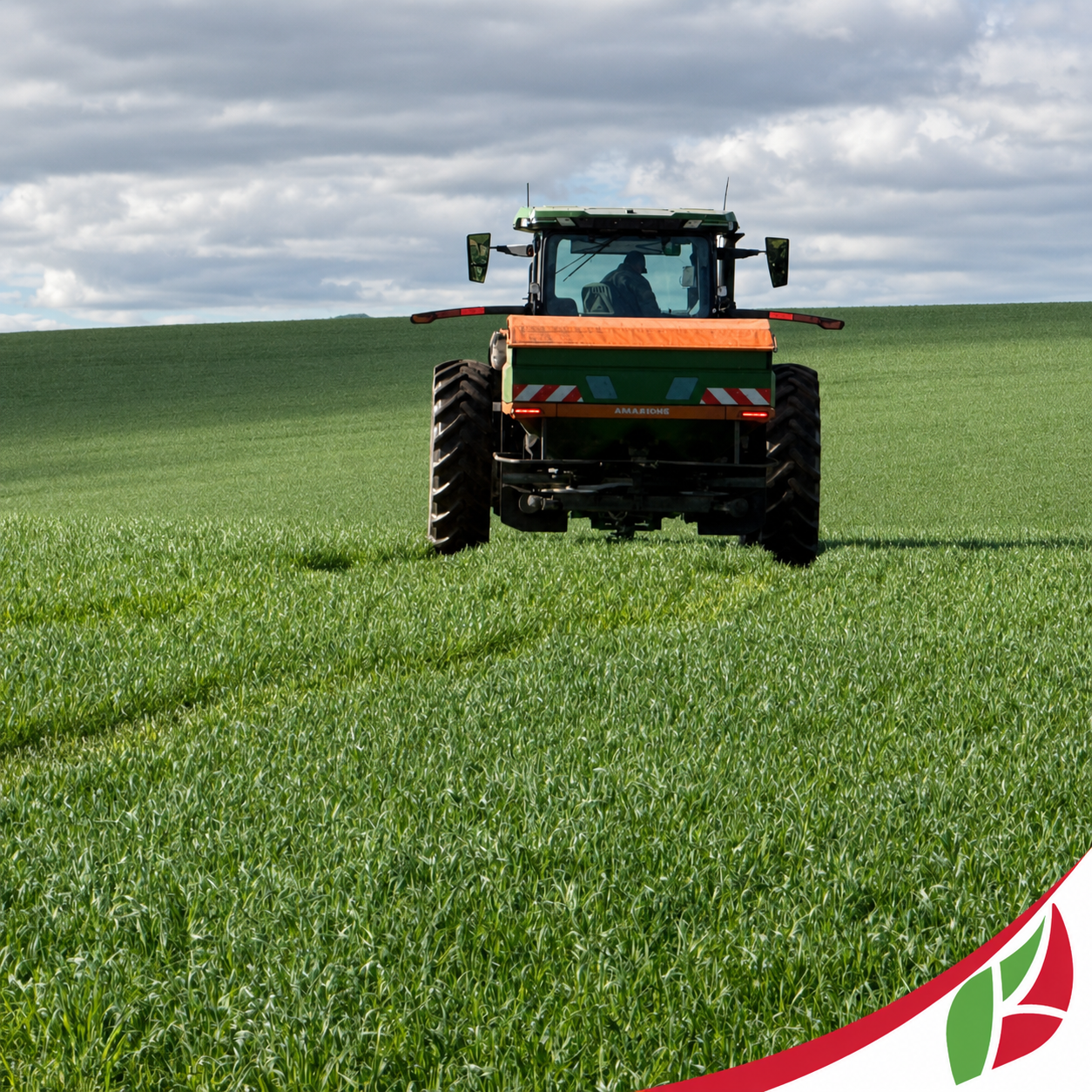
From the fuel pump to the supermarket shelf
Even if a tomato is grown close to home, diesel may still be needed to prepare the land, transport fertilizer, harvest the crop and deliver the tomato to your shop.
Why shipping routes matter
When ships avoid dangerous areas, they may be rerouted around the Cape of Good Hope. This creates longer journeys, uses more fuel and ties up ships and containers for longer periods.
UN Trade and Development has warned that disruptions around the Red Sea, Suez Canal and Strait of Hormuz can increase freight, fuel and insurance costs. These costs may eventually filter through to imported goods, agricultural inputs and food.
The effect is not always immediate. Businesses may hold stock purchased at earlier prices, shipping contracts differ and companies often absorb part of an increase for a period.
This is why a global crisis does not automatically produce an overnight price increase. However, a long disruption increases the likelihood that additional costs will eventually reach businesses and consumers.
What does this have to do with fertilizer?
Fertilizer production and distribution depend on a complex combination of mineral resources, natural gas, manufacturing plants, ports, warehouses, road transport and international trade.

Many African countries remain highly dependent on imported fertilizer or imported raw materials.
According to IFDC’s Fertilizer Crisis Response Bulletin #21, COVID-19 and the Russia-Ukraine conflict exposed Africa’s vulnerability to supply interruptions, high transport costs, inflation and weaker local currencies.
The bulletin warns that reduced fertilizer affordability can cause farmers to apply less, potentially affecting agricultural productivity and food supply.
Why the Middle East crisis adds pressure
Energy is important both in fertilizer production and in moving fertilizer through the supply chain.
Higher fuel, freight and insurance costs can affect the delivered cost of fertilizer, even when the product itself did not originate in the Middle East.
Why fertilizer matters to food security
Healthy crops need access to the correct nutrients, just as people need a balanced diet.
When farmers cannot obtain the right fertilizer at the right time—or cannot afford to apply enough—crop performance and yield potential may be affected.
This does not mean that simply applying more fertilizer is the answer. The African Union’s Nairobi Declaration places soil health at the centre of fertilizer policy.
Responsible nutrient management combines:
- Mineral fertilizer
- Soil testing
- Organic matter
- Sound farming practices
- Responsible nutrient application
This approach helps farmers use nutrients more efficiently while protecting the long-term productivity of the soil.
It is equally useful in a home garden: know what you are growing, improve the soil, choose the appropriate fertilizer, apply the correct amount and water properly.
Why companies such as Kynoch Fertilizer matter
In uncertain markets, fertilizer businesses do more than sell bags of product.
They help secure raw materials, manufacture and blend fertilizer, manage storage and distribution, provide agronomic advice and help farmers match plant nutrition to specific crops and growing conditions.
More than 100 years of experience
Kynoch supports farmers through manufacturing and blending capacity, a national distribution footprint and agricultural technical expertise.
This infrastructure and knowledge are important when the country faces international supply disruptions or rapidly changing market conditions.
Kynoch also works with commercial, emerging and subsistence farmers. Its agricultural support projects include fertilizer recommendations, soil analysis, training and smaller fertilizer packs for farmers who do not require or cannot manage large commercial quantities.
Importantly, Kynoch states that fertilizer supplied to these projects is manufactured using the same raw materials and quality standards applied to its commercial agricultural customers.
This contributes to a stronger agricultural value chain: farmers receive suitable plant nutrition and technical support, crops have a better opportunity to perform and South Africa becomes more resilient in protecting its food supply.
What does the home gardener gain?
The home gardener benefits from the same plant-nutrition experience being made available in convenient retail packs.
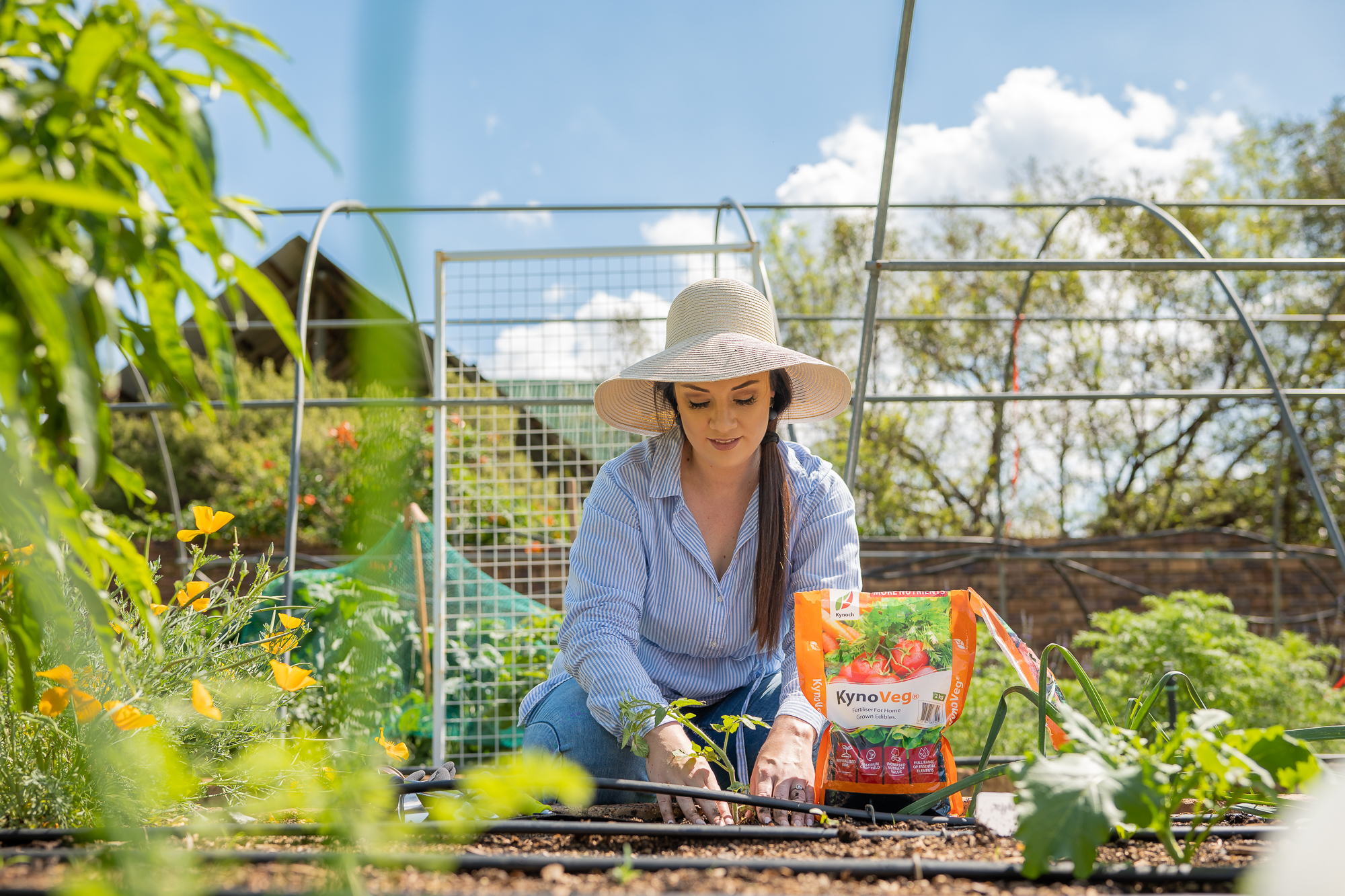
The Kynoch Garden Range was developed by applying the company’s agricultural fertilizer knowledge to products for lawns, vegetables, flowers, shrubs and fruit.
This means gardeners can choose a product designed for a particular part of the garden instead of treating every plant in exactly the same way.
KynoGarden
Supports general garden and soil preparation.
KynoVeg
Provides targeted nutrition for vegetables and edible crops.
KynoShrub
Supports flowering plants, shrubs and fruit.
TurboGrass
Provides nutrition for lawns and other high-nitrogen garden needs.
Choosing an established agricultural fertilizer brand does not make a home garden responsible for feeding the nation.
However, it does mean supporting a South African agricultural value chain that serves farmers as well as gardeners. It also gives the gardener access to plant-nutrition experience, reliable formulations and agricultural-quality thinking in practical small packs.
What can South African gardeners do?
Global events may be outside our control, but efficient gardening is not.
- Feed according to the plant’s needs rather than applying fertilizer unnecessarily.
- Follow the recommended application rate—more is not always better.
- Combine appropriate fertilizer with compost and organic matter where needed.
- Water correctly after application and avoid feeding before extreme weather.
- Grow herbs, vegetables or fruit where space allows.
- Protect soil with mulch to reduce water loss and temperature fluctuations.
- Buy suitable pack sizes so that fertilizer is stored safely and used while in good condition.
These habits help gardeners obtain more value from every application while supporting healthier soil and stronger plants.
From the farm to your flower bed, plant nutrition connects us
COVID-19 showed how quickly international supply chains can be disrupted. The current Middle East conflict is showing how energy and shipping routes can influence transport, fertilizer and food costs around the world.
For South Africa, resilient agricultural businesses, efficient distribution and responsible soil management are therefore not abstract ideas. They are part of protecting farmers, supporting food security and helping households manage rising costs.
For the gardener, the message is simple: use quality plant nutrition wisely.
Every healthy lawn, productive vegetable patch and well-managed flower bed starts with understanding the soil and giving plants what they need—no more and no less.
Bring Agricultural Expertise Into Your Garden
Explore the Kynoch Garden Range and bring more than 100 years of agricultural plant-nutrition experience into your own garden.
Explore Kynoch Garden RangeSources
- IFDC: Fertilizer Crisis Response Bulletin #21
- IEA: From Hormuz to the Pump
- UNCTAD: Strait of Hormuz Disruptions
- SARB: Monetary Policy Review – April 2026
- Kynoch Fertilizer: Products and Garden Range
- Kynoch Fertilizer: Supporting Emerging Farmers