
Healthy Soil Starts Here: The Power of Compost and Organic Matter
Why Healthy Soil Is the Foundation of Every Great Garden
Every thriving garden starts below the surface.
While gardeners often focus on flowers, vegetables and lawns, the real magic happens in the soil. Healthy soil provides plants with water, nutrients and the support they need to grow strong roots and produce beautiful flowers, fruit and foliage.
One of the most effective ways to improve your soil naturally is by adding organic matter.
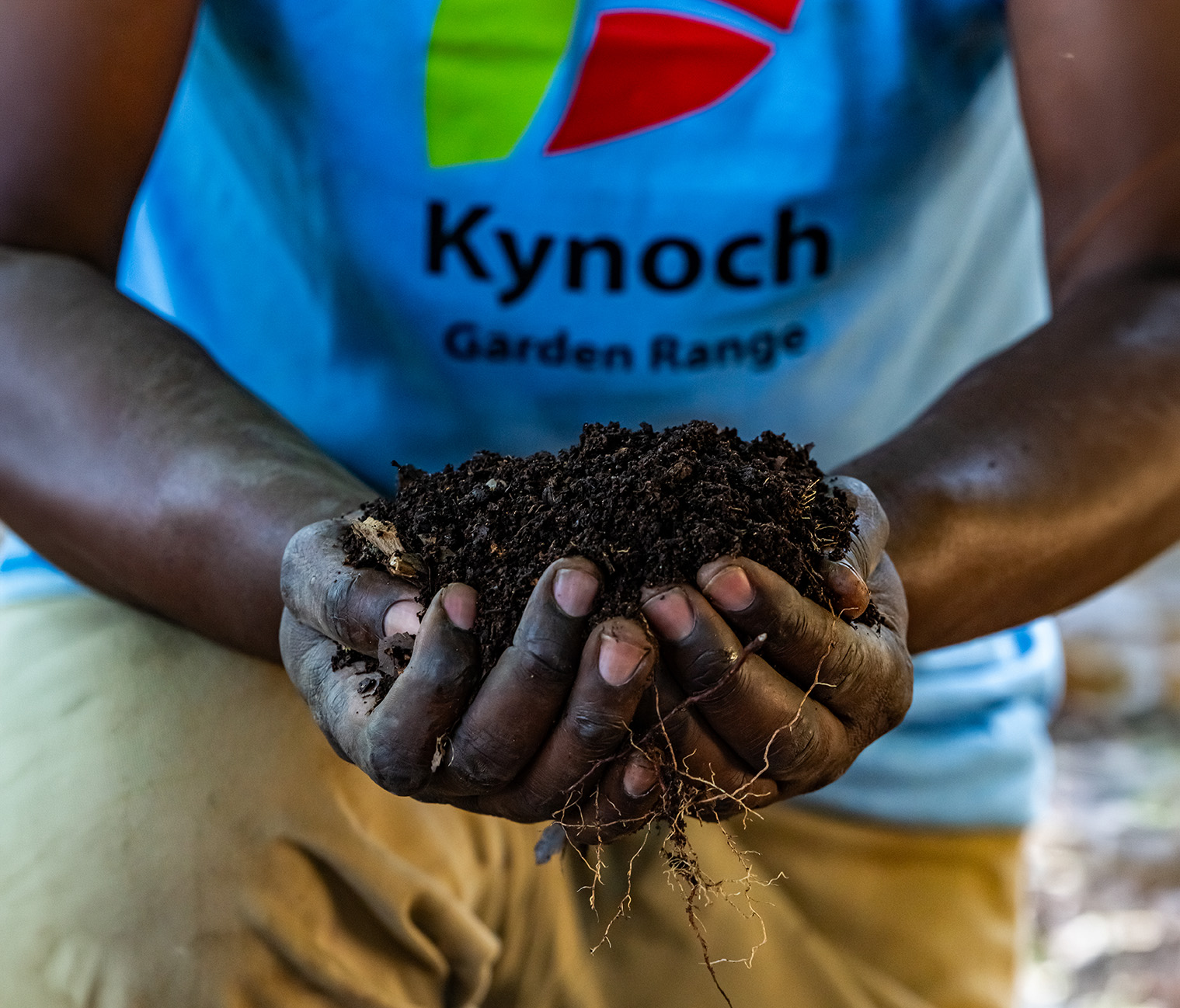
Organic matter is nature’s way of recycling. Fallen leaves, grass clippings, vegetable scraps and garden trimmings slowly break down over time, creating rich compost that feeds the soil and supports life beneath the surface.
What Is Organic Matter?
Organic matter is any material that was once living and is now breaking down naturally.
Examples include:
- Fallen leaves
- Grass clippings
- Vegetable and fruit scraps
- Small twigs and branches
- Old plant material
- Compost
As these materials decompose, they release nutrients back into the soil while creating an ideal environment for earthworms and beneficial microorganisms.
Nature’s Recycling System at Work
Take a walk through a natural forest and you’ll notice something interesting. No one removes fallen leaves.
Instead, leaves accumulate on the ground where they slowly decompose and become part of the soil. Over time, this process creates rich, dark soil filled with organic matter and beneficial microbial activity.
Your garden benefits from exactly the same process. When organic matter is returned to the soil, nature begins rebuilding fertility from the ground up.
Compost Transforms Garden Waste Into Garden Gold
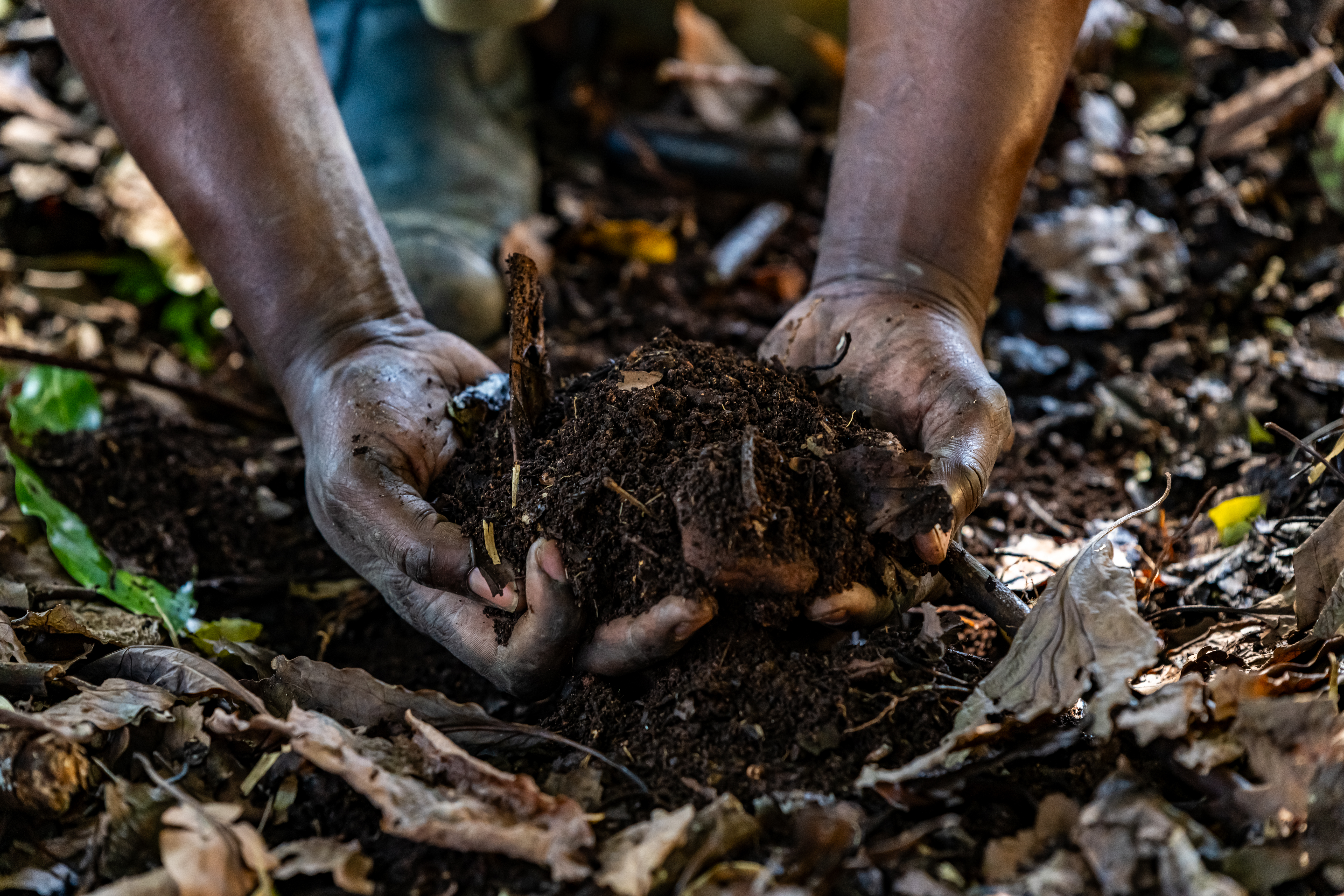
One of the easiest ways to recycle organic matter at home is through composting.
Rather than sending leaves and garden waste to landfill, composting allows you to convert these materials into a valuable soil conditioner that improves your garden year after year.
Benefits of compost include:
- Improved soil structure
- Better water retention
- Increased microbial activity
- Reduced soil compaction
- Improved nutrient availability
- Healthier root development
Starting a Compost Bin Is Easier Than You Think
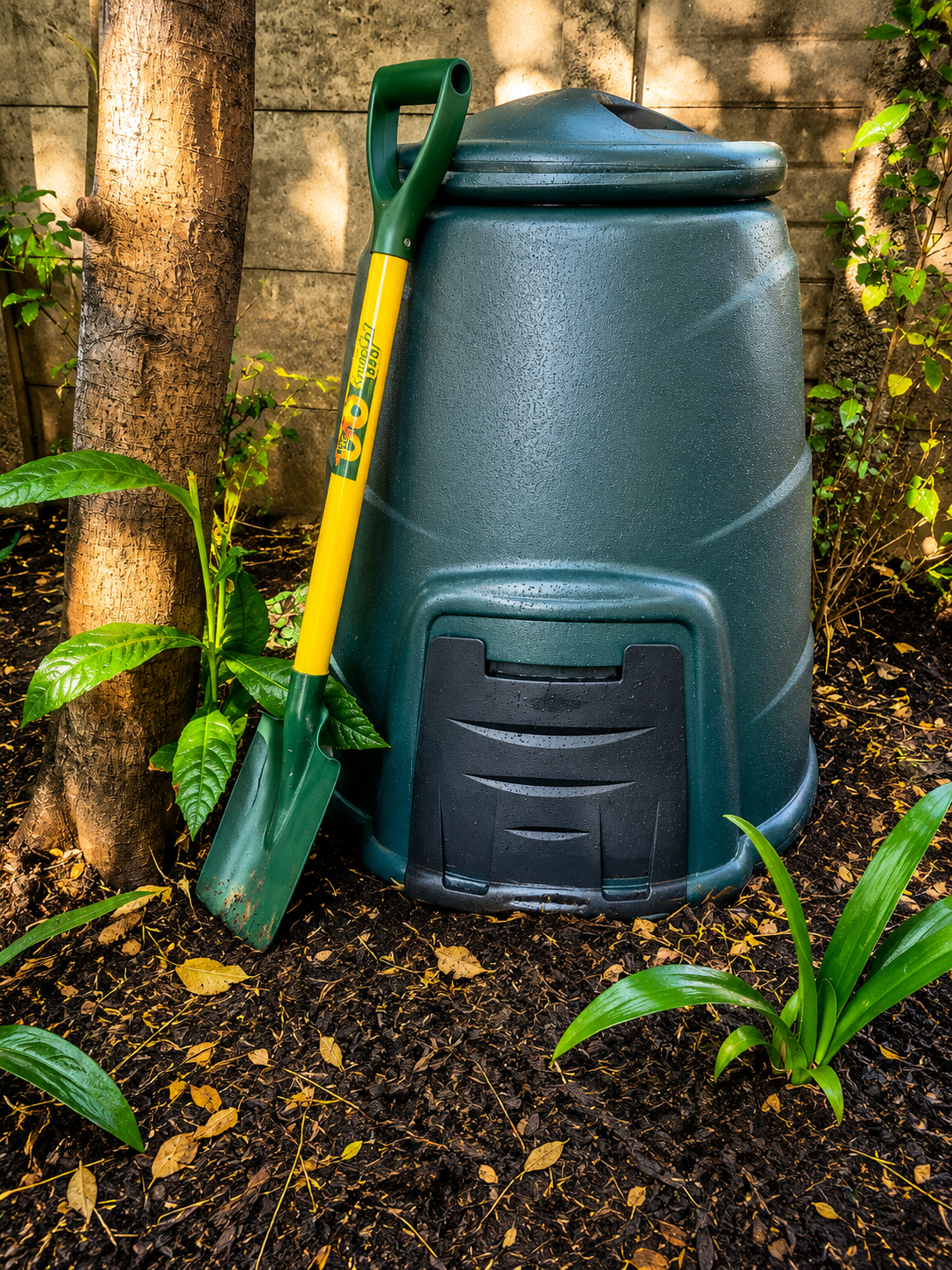
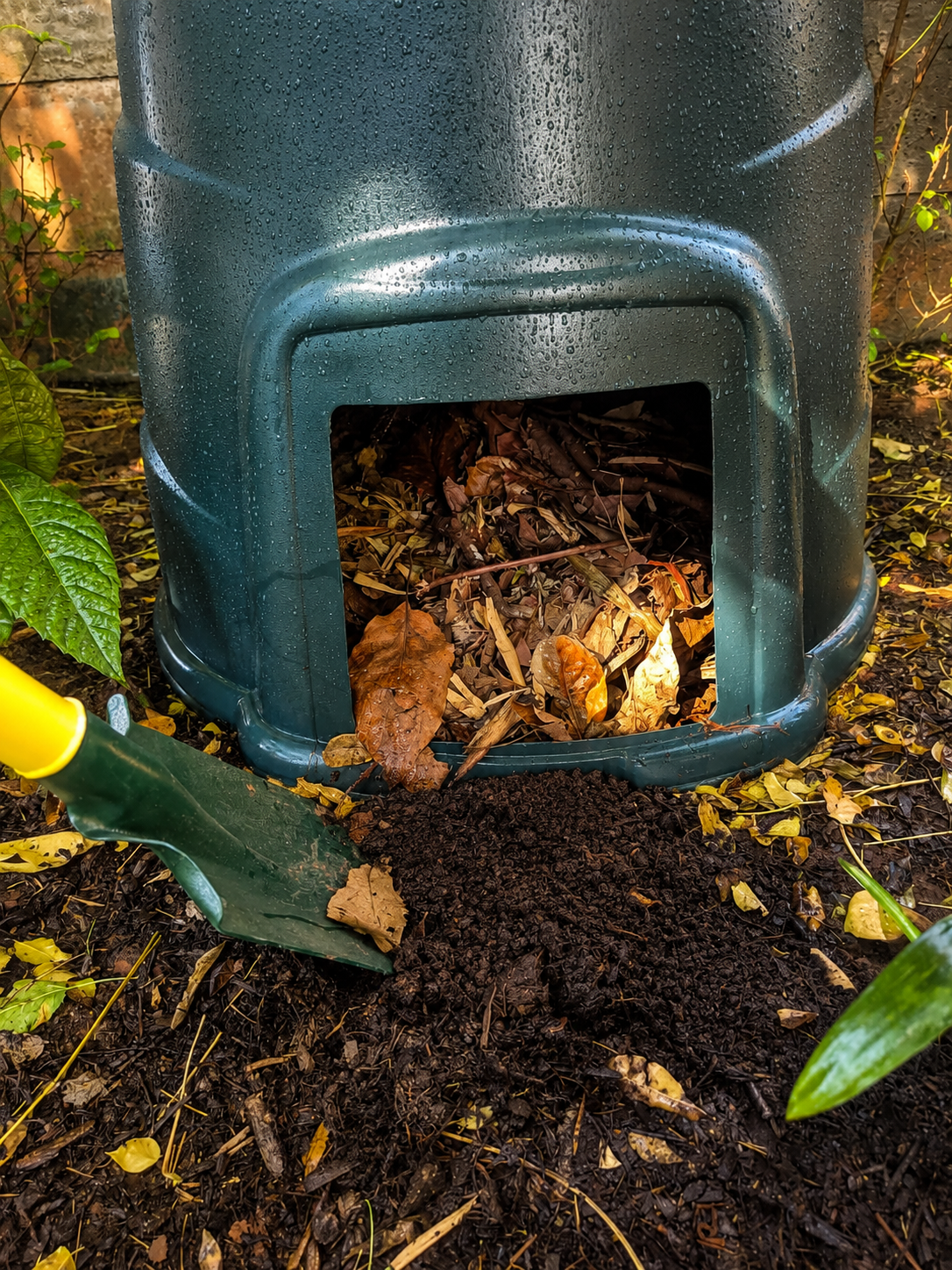
A simple compost bin is all most gardeners need to get started. Compost bins provide an easy way to turn household and garden waste into valuable organic matter.
Green Materials
- Grass clippings
- Vegetable scraps
- Fresh plant material
Brown Materials
- Fallen leaves
- Small twigs
- Shredded cardboard
- Dry plant material
Keep the compost moist, but not waterlogged, and turn it occasionally to speed up decomposition. Within a few months, you’ll begin producing your own nutrient-rich compost.
Why Compost Alone Is Not Enough
Compost improves the soil. Fertilizer feeds the plant.
Compost helps improve water retention, soil structure and microbial activity, but it releases nutrients slowly. Plants still require specific nutrients at key growth stages for strong root development, flowering, fruit production and healthy green growth.
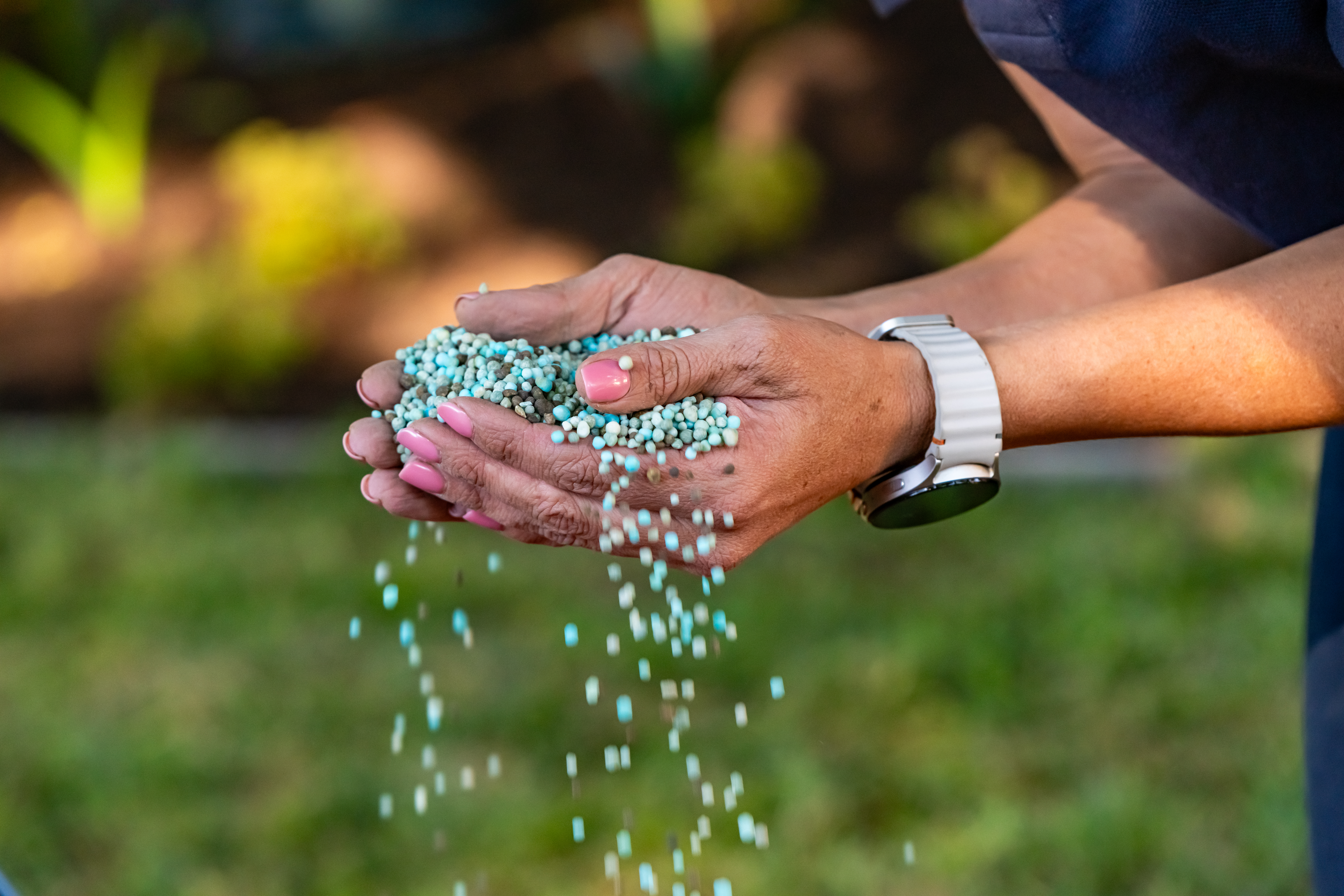
Compost and Kynoch Fertilizer: The Perfect Partnership
The best gardens use both organic matter and fertilizer together.
Compost creates a healthier soil environment, while Kynoch fertilizers provide the readily available nutrients plants need for optimum growth.
Think of compost as building the pantry and fertilizer as stocking it with food.
Together they help:
- Improve nutrient availability
- Support stronger root systems
- Encourage healthier plant growth
- Improve flowering and fruit production
- Build long-term soil health
Build Better Soil This Winter
Winter is one of the best times to invest in soil health.
As leaves fall and garden growth slows down, gardeners have the perfect opportunity to start composting and return valuable organic matter back to the soil.
The rewards may not be immediate, but season after season your garden will become healthier, more resilient and easier to maintain.
Nature has already shown us the process. All we need to do is work with it.
Give Your Garden the Best Start
Build healthy soil with compost, then support strong plant growth with the right Kynoch fertilizer.
Explore Kynoch Garden Range